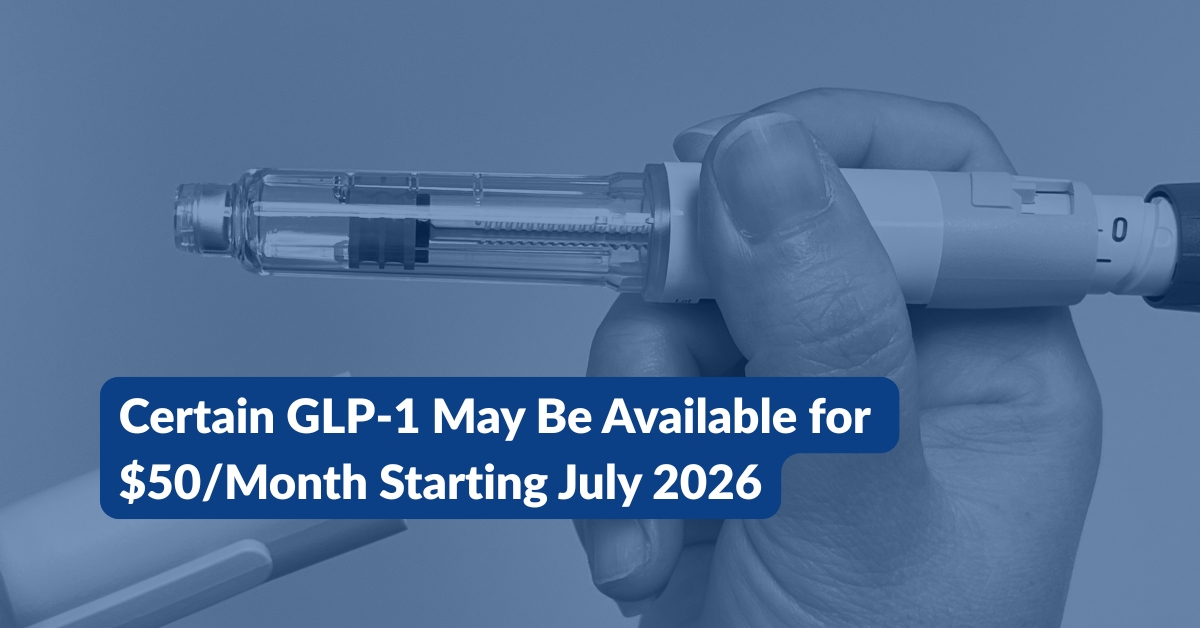
CMS has announced a new, time-limited program called the Medicare GLP-1 Bridge. Beginning July 1, 2026, some Medicare beneficiaries may be able to access certain GLP-1 medications for $50 per month, and CMS says the program is expected to run through December 31, 2027. Which medications are included? CMS’ beneficiary guidance indicates that starting July 1, 2026, the program will include Foundayo®, Wegovy®, and the Zepbound® KwikPen® formulation (and CMS notes this list may change

February is American Heart Month, a great time to check in on two big drivers of heart health: blood pressure and cholesterol. A few small tweaks now can pay off all year. 1) Know your numbers (at home, too) Nearly 7 in 10 adults 60+ live with hypertension; many don’t feel symptoms, so regular checks matter. Consider a home BP cuff and bring a log to your next visit. 2) Eat the DASH way (and
If a 5-Star Medicare Advantage or Part D plan is offered where you live, you can use a one-time Special Enrollment Period to switch anytime from Dec 8 through Nov 30—including right now in February. It’s a handy option if you missed AEP or your January experience wasn’t what you expected. What “5-Star” means Medicare rates plans 1–5 stars for quality and performance so you can compare options. A 5-Star plan earned the highest overall

January’s perfect for a reset you can do at home (or at a mall, rec center, or hallway on rainy days). For adults 65+, aim for 150 minutes of moderate activity a week, 2+ days of muscle-strengthening, and regular balance work. Think brisk walking + light resistance + a few minutes standing on one foot near the kitchen counter. Your 20-minute “most days” plan Warm up (3 min): easy marching, shoulder rolls. Walk (10 min):
If you’re already in a Medicare Advantage (MA) plan, you get a once-per-year chance (Jan 1–Mar 31) to switch to a different MA plan (with or without drug coverage) or return to Original Medicare and join a Part D plan. Any change generally starts the first day of the month after the plan gets your request. When this is useful Your doctors/pharmacies changed network status on Jan 1. Your meds moved to a higher tier
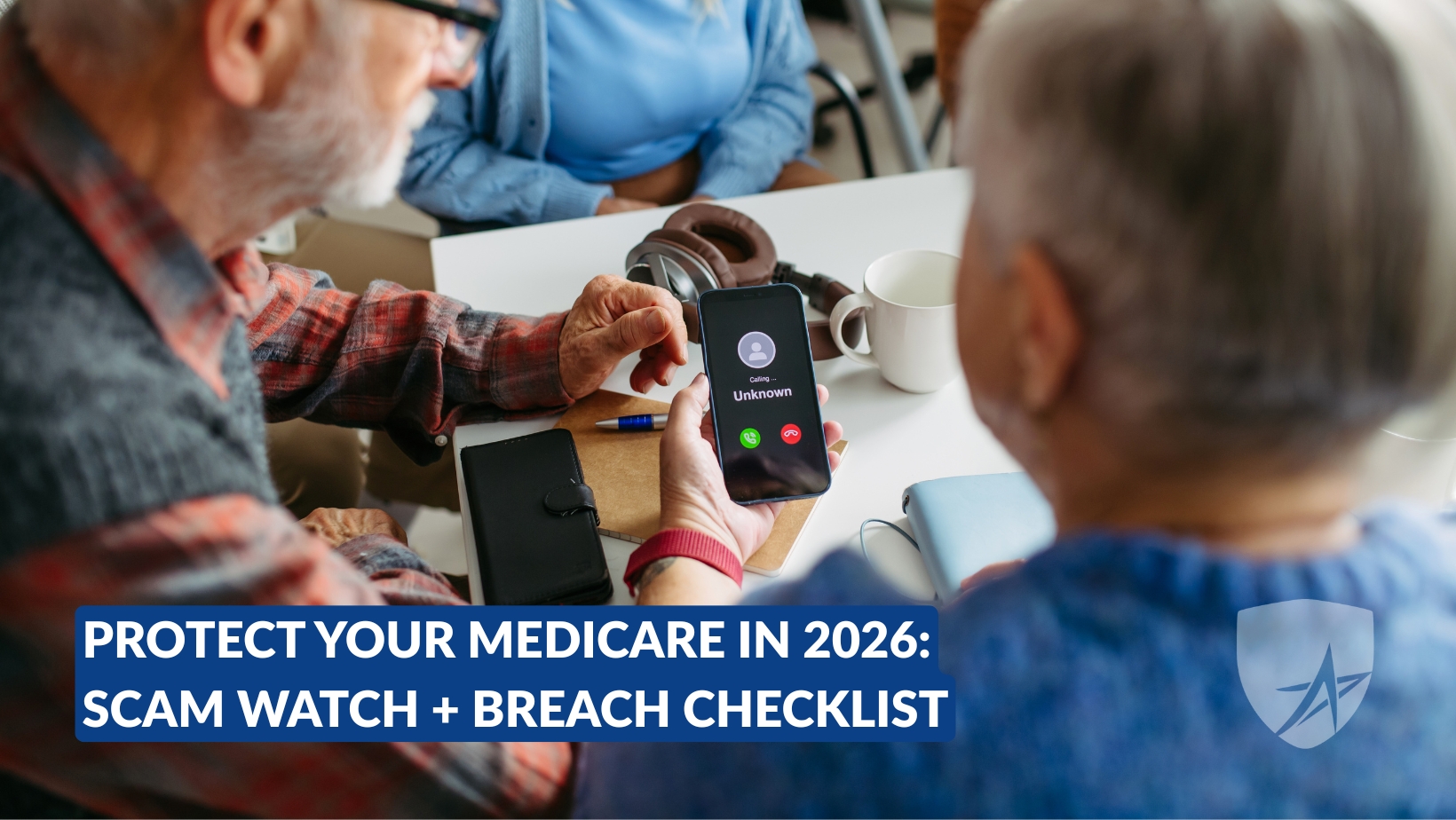
Scammers ramp up right after Open Enrollment. Add in a couple of big 2025 security headlines, and January is the perfect time to tighten up your defenses. Here’s a quick, plain-English guide you can send to clients. What changed lately (and why it matters) Change Healthcare breach—now confirmed at ~192.7 million people. HHS says the 2024 hack ultimately affected about 192.7M individuals, the largest U.S. health-care breach on record. If your providers or pharmacies used

AEP is officially in the rear-view, and now it’s all about making sure your 2026 coverage starts smooth on Jan 1 and knowing your options if something isn’t right. 1) Look for your plan welcome kit & Evidence of Coverage (EOC) Your plan mails an EOC each fall that spells out what’s covered, copays, rules (like prior auth), and extras (dental/vision/OTC). Keep it handy for January appointments and refills. Broker tip: If anything looks different

The holidays should feel warm and easy, not exhausting or derailing your health. Here’s a simple guide to enjoy the season without the sugar crash, sniffles, or stress spiral. 1) Build a better holiday plate Fill half your plate with veggies/fruit, add lean protein, and keep rich sides to small scoops. Stay moving: adults 65+ do best with ~150 minutes/week of moderate activity plus balance/strength work. Ten-minute walks count. Hand hygiene matters at gatherings, clean
CMS has announced the official 2026 costs for Medicare Part A and Part B, including premiums, deductibles, and some coinsurance amounts. If you’re on Medicare now or about to enroll, here’s a simple explanation of what’s changing and what it might mean for your budget. Medicare Part A: Hospital Coverage Medicare Part A helps cover inpatient hospital stays, skilled nursing facility care, hospice, and some home health services. The good news is that about 99%

Big Part D changes kicked in for 2025, and they keep evolving for 2026. Use September to review your Annual Notice of Change (ANOC) (arrives by Sept 30) and prep for the fall shopping season. The headline numbers 2025: Your out-of-pocket (OOP) spending on Part D drugs is capped at $2,000 for the year. 2026: The OOP threshold is $2,100 (the 2025 cap, indexed). Once you hit it, you owe $0 for covered Part D